
Blog—Language and the Brain
We know that kids need to be seen and appreciated. When we make the effort at attentive communication with them, they feel seen. The surprise is that attentive talk actually builds children’s brains.
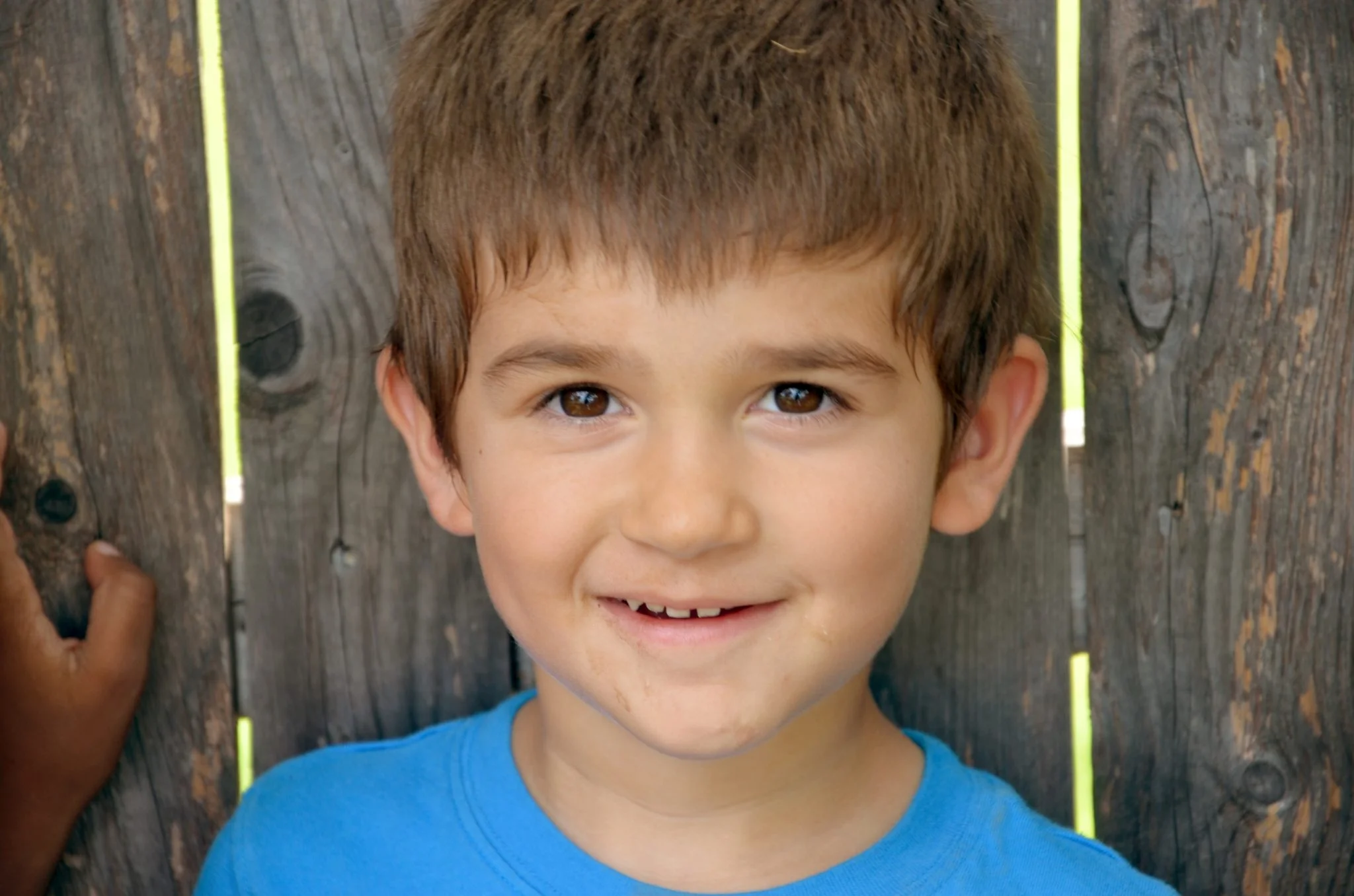
A young brain needs to hear language directed its way.
“The fundamental thing that grows human brains in the first three years of life is parent talk and interaction,” says Dr. Dana Suskind, a pediatric surgeon at the University of Chicago Hospital and director of the 30 Million Words Initiative. “Language is the nutrition for the developing brain…the foundation for all thinking and learning…”
The youngest children need to be talked to– A LOT. Researchers have found that the number of words parents speak to their kids very much influences the kids’ acquisition of language skills. Greater word exposure by the age of 3 absolutely connects to language strengths in later childhood (at age 9), translating into faster language processing and improved reading and vocabulary knowledge.
The difference between ‘struggling’ and ‘capable’: 30 million words
Not hearing enough talk early on has negative effects for children as they grow. 9- year- olds with language processing deficiencies had typically heard 30 million fewer words by age 3 than children with better language skills. (Betty Hart and Todd Risley, University of Kansas, 2003).
Just hearing words isn’t enough
Dr. Suskind started the 30 Million Words Initiative (thirtymillionwords.org) as a way of encouraging adults to speak more with kids, and in a way that counts; by talking directly to the child, and by showing interest and modulating their voices and vocabulary according to the age and understanding of the child.
The speaker’s attention and adjustment of his language to the child are essential ingredients in the language processing and brain development gains measured in these studies. Listening to an audiobook or overhearing bits of conversation is not the same for the child.
Child-directed speech and encouragement from the parent are important to intellectual function.
Anne Fernald’s studies at Stanford found that those children who didn’t hear as much speech meant for and directed toward them (and therefore modified for them) were behind by 6 months at 24 months old– and by 2 years at 5 years old– compared to their same age peers.
“…parents who talk more with their children in an engaging and supportive way have kids who are more likely to develop their full intellectual potential than kids who hear very little child-directed speech.”
https://news.stanford.edu/news/2013/september/toddler-language-gap-091213.html
The young brain is incredibly active. ‘In the first few years of life, more than 1 million new neural connections form every second’– Harvard’s Center on the Developing Child. What doesn’t get used gets pruned back, so it is crucial to support this early explosion of growth.
Caring connection creates essential neural connections in the brain. Harvard has us think of a tennis game with its back and forth. The child shows interest, and the adult pays attention to that focus and engages with the child.
Harvard’s Center on the Developing Child, again: “A major ingredient in this developmental process is the serve and return interaction between children and their parents and other caregivers in the family or community. In the absence of responsive caregiving—or if responses are unreliable or inappropriate—the brain’s architecture does not form as expected, which can lead to disparities in learning and behavior”.
https://developingchild.harvard.edu/science/key-concepts/brain-architecture/
So what can parents –or other adults involved in the life of a child– do to facilitate language skills, brain development, and feeling seen?
1. They can frequently talk to the child. This is not about ‘teaching’ or presenting ‘educational’ material. It can mean narrating what you’re doing as you go about your day, or what you see outside the window, or on a walk together. When at the grocery store with your child, it’s great to notice different foods and point them out. Or to observe that all of the vegetables are in one place, and the frozen items in another. Wondering aloud why this might be stimulates kids’ curiosity, too.
2. Conversation is a dance: each step means both participants are paying attention, reacting and responding to each other. There is joy in that. With a look, we convey so much information! And there are micro-expressions and tones of voice. Even with the youngest, it’s important for the adult to regularly take in a reaction and respond to that–with interest, a smile, a funny face, or some other fitting expression. This is an early kind of turn taking between two participants in a conversation, and it results in a sense of security for the child. This is something we all need–even as adults. Think about how much better you feel when your family member or friend talks with you while making eye contact. We all respond to the richness of body language as well as spoken language. We all want to be seen and to have our responses noticed and cared about.
3. They can tailor their words and voice to the individual child: Speaking to an infant will most likely mean using different language than we’d use with a toddler or older kid; speech will also need to be slower and more clearly enunciated. This is language specifically directed to a particular child, which makes it easier for her or him to understand.
4. They can read books with the child, naming items that a younger child might point at, or listening to an older child’s comments about the story.
Each of these steps helps build connections between the neurons in the brain, resulting in the different areas working together and building a structure that will develop and grow more intricate over the years.
